
Peat – Nature’s Own Power Weapon Against Climate Change


Mynydd Mynyllod, metal rod sticking out of the peat is 97cm long.


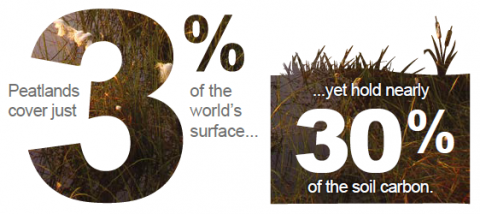
Peatlands cover only 3% of the world’s land area but store more than twice the carbon stored in all the world’s forests.
Deep peat is defined in the UK Forestry Standard (UKFS) as soil having a predominantly organic (peat) layer, of depth greater than 50 cm. Deep peat is especially important as a resource in Wales, as a carbon store, as well as an important substrate to support specialist habitats.
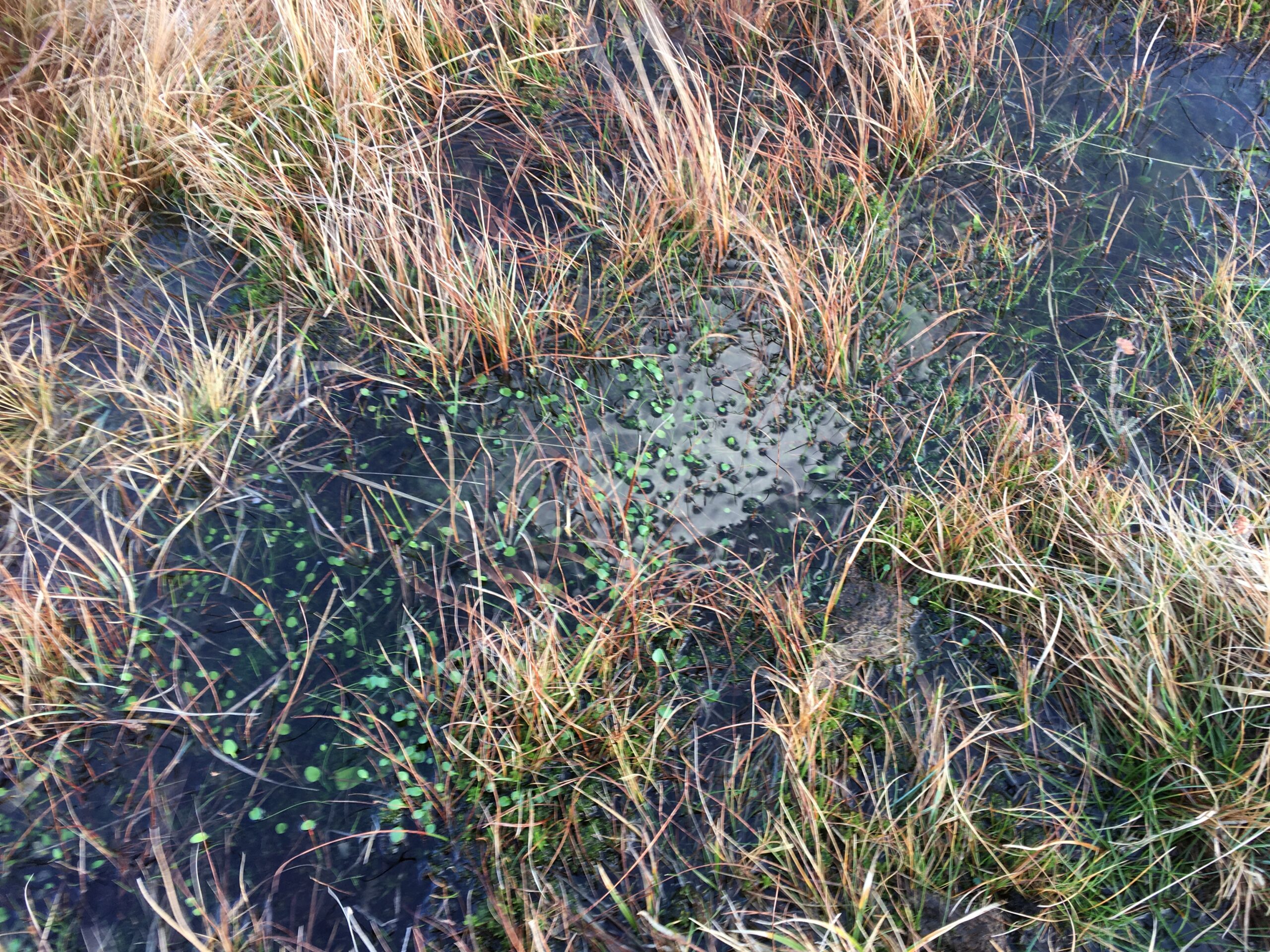
Mynydd Mynyllod is rich in peat, some parts 90cm and deeper. It takes around 1 year to grow 1mm depth. So peat on Mynydd Mynyllod has been growing for around 900 years at least. Protecting it is extremely important for several reasons:
Many households get their drinking water from Mynydd Mynyllod. Peatlands are a source catchments for drinking water and have a role in the regulation of water flows. Peat in Mynydd Mynyllod helps to avoid floods and any disturbance to drinking water for these households.
Peatlands are also important in supporting species and habitats that depend on waterlogged conditions and are of international importance for biodiversity conservation. Mynydd Mynyllod is home for curlew, bats, skylarks to name a few. RWE’s giant wind farm would destroy their habitat.
It is also extremely important to understand that when drained or destroyed, peatlands go from being a carbon sink to a carbon emitter, releasing into the atmosphere centuries worth of stored carbon. Simply put peat transforms from protecting the planet to harming it: Losing just 5% of UK peatland carbon would be equivalent to the UK’s entire annual greenhouse gas emissions.
By conserving, protecting and restoring peatlands globally, we can reduce emissions and revive an essential ecosystem that provides many services, for people, the planet and the climate.
https://friendsoftheearth.uk/climate/why-peat-good-climate-and-nature
https://naturalresources.wales/media/3132/woodland-peat-guidance.pdf